 |
|
|
Progress in View, November Breakthroughs Too! |
As the year moves toward its close, Miami MoCAAD continued to expand, connect, and inspire throughout November. Our growing digital presence reflects how powerfully our community resonates with the stories we uplift and the artists we champion. This month, we deepened collaborations, welcomed new supporters, and advanced our mission with renewed clarity—celebrating the creativity, innovation, and global heritage of the African diaspora with purpose, intention, and collective vision.
|
|
|
|
|
Give Miami Day Success! |
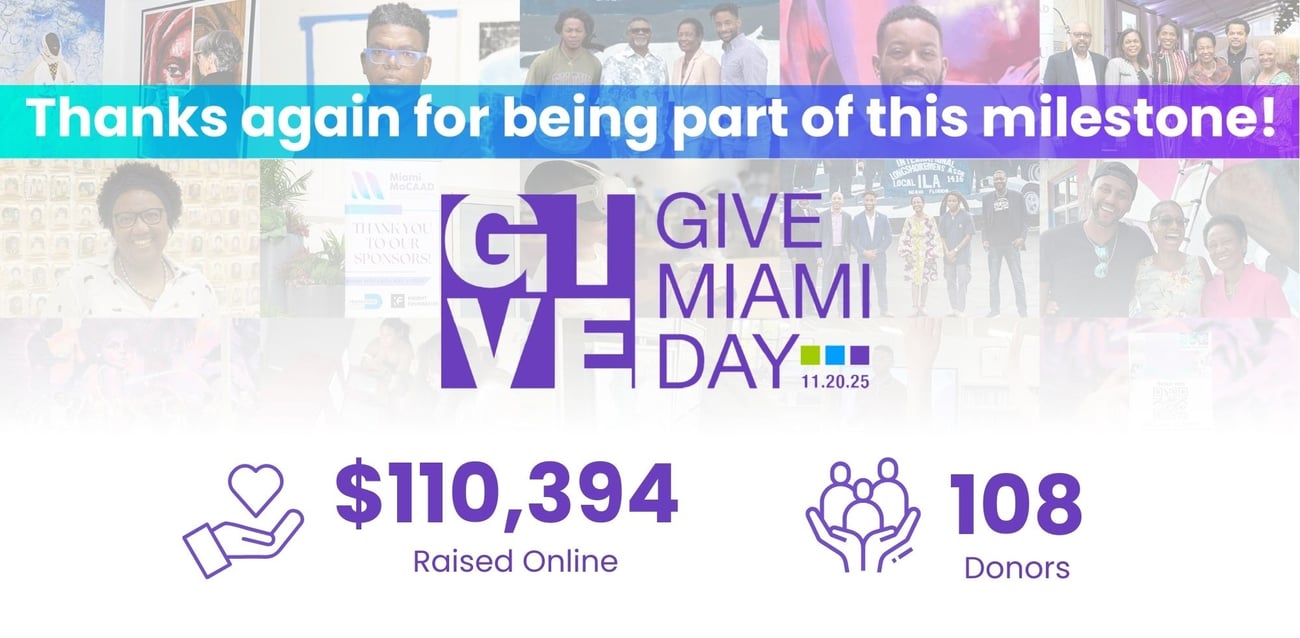 |
We did it! Miami MoCAAD reached a historic milestone on Give Miami Day, raising $110,394 with support from 108 donors, and more gifts continue to come in. Thank you for helping us make history and move our mission forward.
|
Happenings |
 |
|
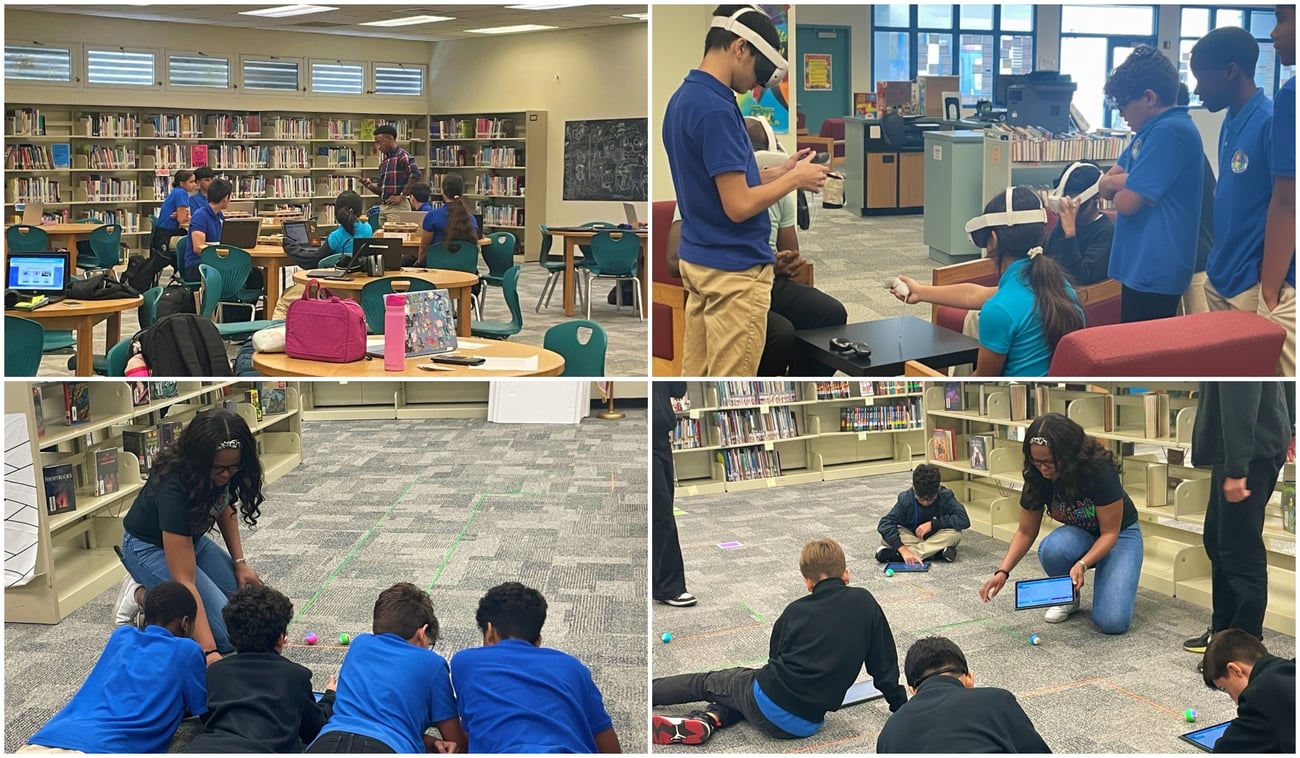
Miami MoCAAD closed out November with an inspiring series of workshops and community screenings across Miami-Dade, bringing art, technology, and immersive storytelling directly into local neighborhoods.
We began the month with a community screening of This Life: Black Life in the Time of Now at the Aventura Branch Library on November 1, where audiences experienced contemporary Black art through virtual reality.
On November 12, we hosted an ARt+Tech Workshop at Second Baptist Church, where participants used VR headsets to tour virtual galleries and created digital artworks on laptops equipped with art-centered software. The session sparked imagination and encouraged learners of all ages to experiment with emerging technologies.
The momentum continued with additional screenings of This Life: Black Life in the Time of Now at the Sunset Branch Library on November 14 and the Naranja Branch Library on November 20. Presented in collaboration with the Miami-Dade Public Library System, these events offered immersive, accessible encounters with art of the African diaspora.
Each stop on this county-wide tour invited the community to explore new ways of seeing, imagining, and connecting. Together, we stepped into the future of art—one headset at a time.
In November, Miami MoCAAD continued to grow its digital footprint, contributing to an impressive 706,915 total digital visibility reach for the year to date. Instagram led engagement with 140,526 page views, while Facebook added 80,126 in total reach, and LinkedIn generated 13,161 impressions, reflecting increased interest across community and professional networks.
Video content remained a major driver, with 50,462 total YouTube views, and our website kept visitors engaged for an average of 3 minutes and 15 seconds. Email performance was equally strong, with 140,526 opens and a thriving base of 6,936 Premium Newsletter Subscribers.
Overall, November marked continued momentum and strengthened visibility across all platforms as Miami MoCAAD expands its reach and impact.
This November, Miami MoCAAD celebrates the powerful histories and enduring legacies of nations across Africa and the Caribbean that commemorate their independence during this month. We honor Antigua & Barbuda 🇦🇬 (November 1), Dominica 🇩🇲 (November 3), Angola 🇦🇴 (November 11), Morocco 🇲🇦 (November 18), Suriname 🇸🇷 (November 25), Mauritania 🇲🇷 (November 28), and Barbados 🇧🇧 (November 30)—each marking defining moments of sovereignty, liberation, and cultural transformation. These anniversaries uplift the resilience, creativity, and global impact of Black and Afro-diasporic communities whose ongoing struggles for freedom and self-determination continue to shape art, memory, and
collective futures
|
|
|
|
|
November Birthdays |
At Miami MoCAAD, we celebrate artists—and that includes honoring the moments that shape their journeys. This November, we recognize and uplift the incredible Black artists born this month. Their creativity and impact continue to inspire generations near and far.
|
|
|
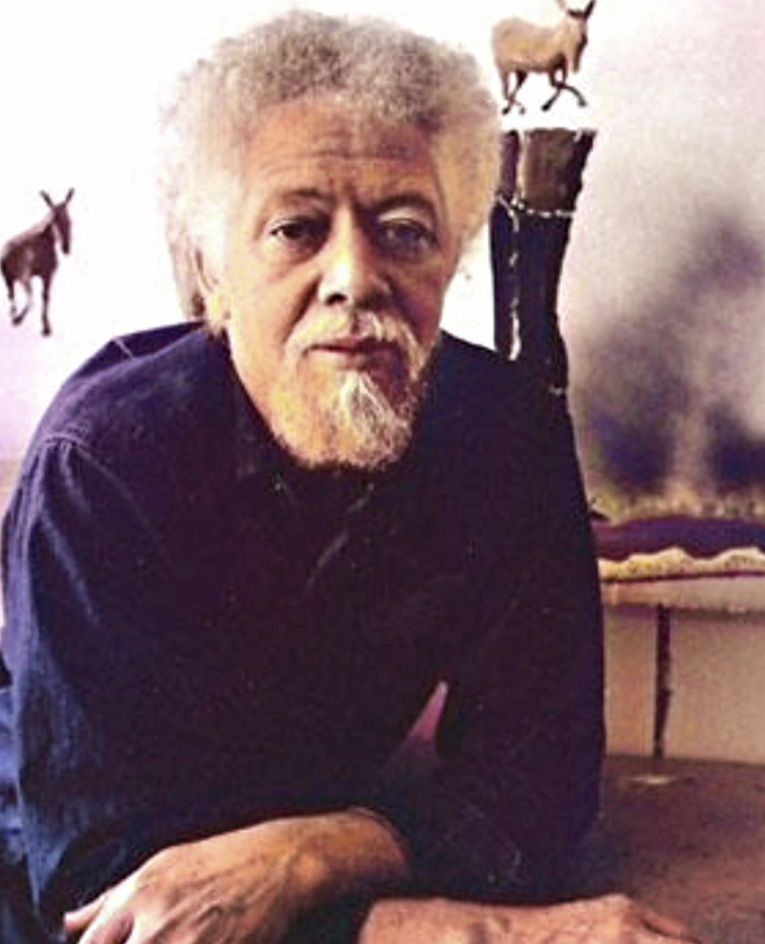 |
Portrait of Benny Andrews | Photo by Anthony Barboza/Getty Images
|
|
Benny Andrews (b. November 13, 1930 – d. November 10, 2006) was an American painter, printmaker, and activist known for his expressive figurative style and dedication to social justice. He was born into a family of sharecroppers in rural Georgia. He emerged in New York in the 1960s, where he combined oil paint with fabric appliqué for a textured, dimensional effect. A founding member of the Black Emergency Cultural Coalition, he advocated for fair representation of Black artists. His works explore memory, protest, rural Southern life, and the Black American experience, featuring elongated figures and strong narrative depth. His art is held in the Metropolitan Museum of Art, MoMA, and the Smithsonian American Art Museum.
|
|
|
|
|
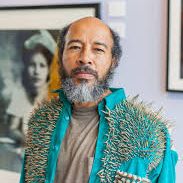 |
Portrait of Albert Chong | Courtesy of the artist
|
|
Albert Chong (b. November 14, 1958) is a Jamaican-American photographer, installation artist, and educator whose work explores ancestry, ritual, and African diasporic spirituality. Known for symbolic tableaux combining family heirlooms, religious objects, and Afro-Caribbean references, his art engages memory, identity, and sacred presence. Expanding into sculpture, installation, and digital media, Chong is a significant figure in contemporary diaspora art. His work is in the Smithsonian, MFA Houston, and Denver Art Museum.
|
|
|
|
|
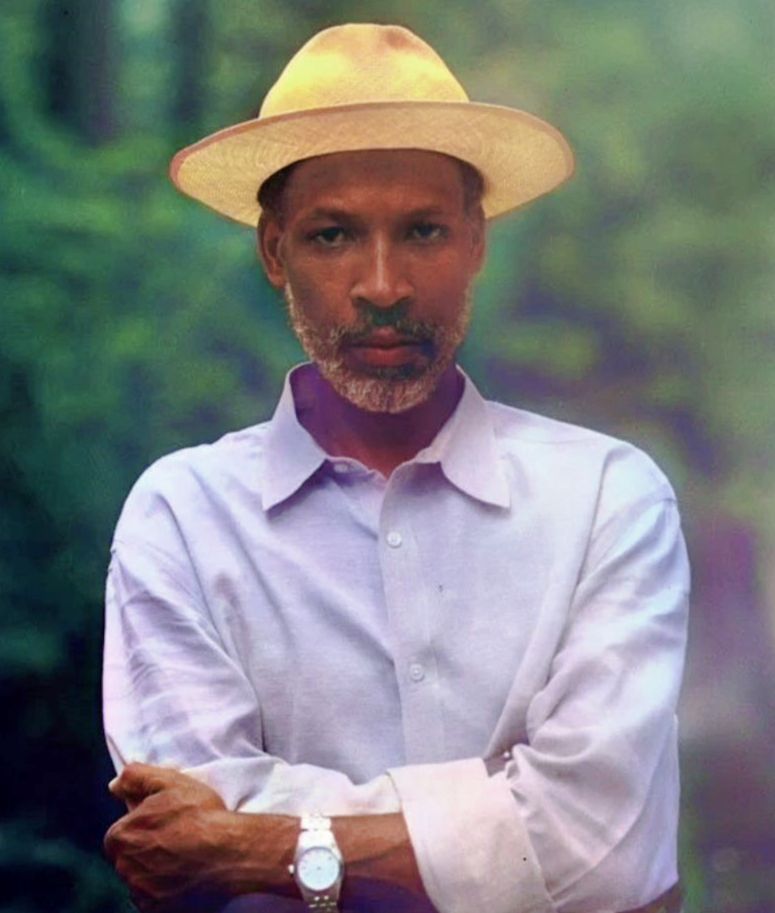 |
Portrait of Radcliffe Bailey | Photo by LaMont Hamilton
|
|
Radcliffe Bailey (b. November 25, 1968 – d. November 14, 2023) was an American contemporary artist known for layered mixed-media assemblages exploring memory, ancestry, migration, and Black spiritual history. Emerging in 1990s Atlanta, he combined painting, sculpture, collage, and found objects, drawing on African diasporic traditions, jazz, maritime history, and family archives. His work, often incorporating photographs, African sculpture, and geological materials, is in collections including the Met, Smithsonian National Museum of African American History and Culture, and High Museum of Art.
|
|
|
|
|
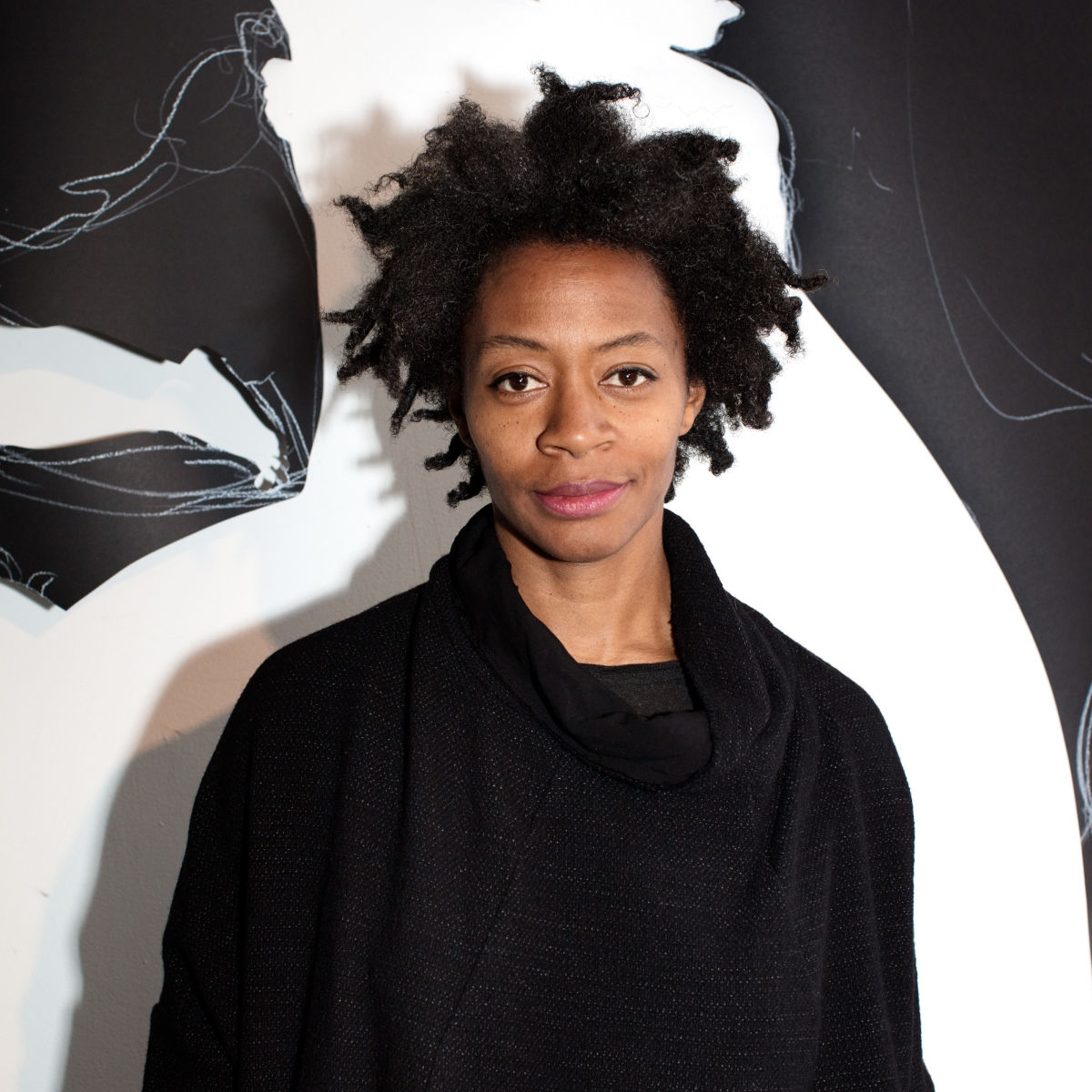 |
Portrait of Kara Walker | Photo by The Art Story
|
|
Kara Walker (b. November 26, 1969) is an American artist known for exploring race, power, gender, and historical memory. Rising in the mid-1990s, she gained prominence with black-paper silhouettes—immersive tableaus blending antebellum imagery, folklore, and theatricality. Walker is known for her candid investigation of race, gender, sexuality, and violence through silhouetted figures, which have appeared in numerous exhibitions worldwide. Her work spans drawing, installation, printmaking, sculpture, film, and public commissions, including A Subtlety or The Marvelous Sugar Baby (2014). Walker’s art is in collections including MoMA, Tate Modern, and the Walker Art Center.
|
|
|
|
|
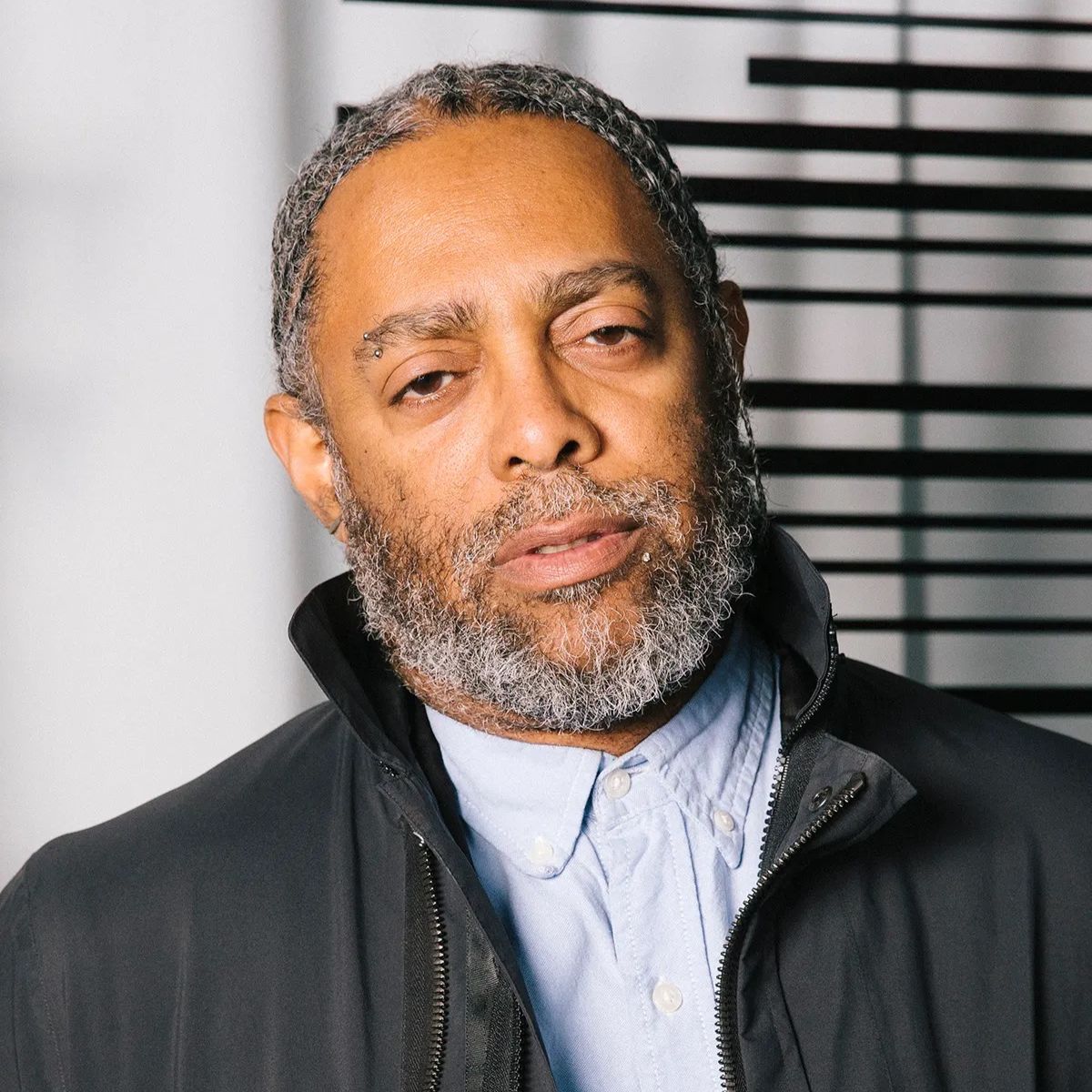 |
Portrait of Arthur Jafa | Photo by Katherine McMahon
|
|
Arthur Jafa (b. November 30, 1960) is an American filmmaker, cinematographer, and visual artist known for exploring Blackness, aesthetics, and cultural memory. Rising in the late 1980s as a cinematographer, he gained widespread attention with Love Is the Message, The Message Is Death (2016). Jafa’s work spans film, photography, sculpture, and installation, blending archival and original imagery. His art is in collections including MoMA, Stedelijk Museum, and Tate Modern.
|
|
|
|
|
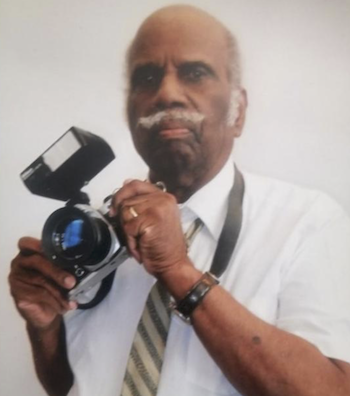 |
Portrait of Theodore Gaffney | Photo courtesy of the artist
|
|
Theodore Gaffney (b. November 22, 1927 – d. April 12, 2020) was an American photographer and photojournalist who documented pivotal moments in the U.S. civil-rights movement and African-American life. From Washington, D.C., he served in the Army before capturing the Freedom Rides in the 1960s and becoming one of the first African-American White House photographers, shooting presidents Kennedy and Johnson. His work is celebrated for documenting courage, resistance, and Black life, preserved by major civil-rights archives.
|
|
|
|
|
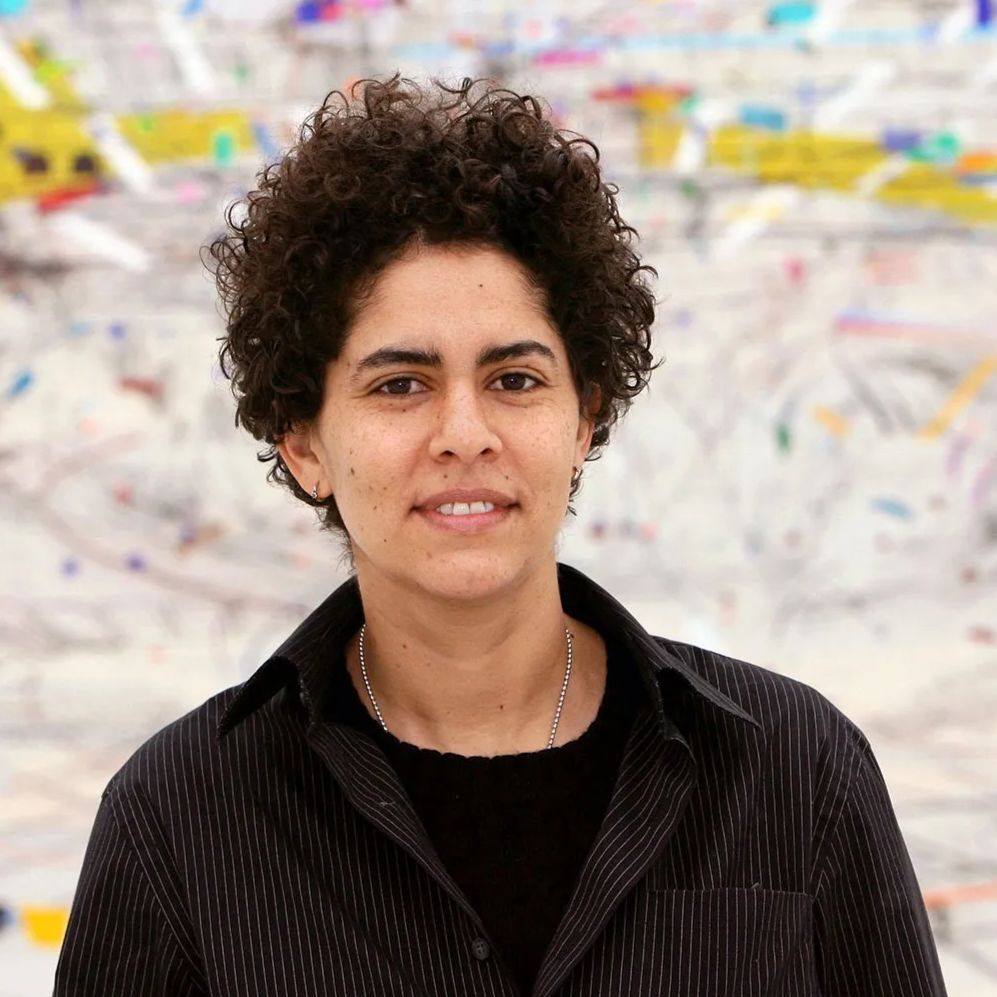 |
Portrait of Julie Mehretu | Photo by Josefina Santos
|
|
Julie Mehretu (b. November 28, 1970) is an Ethiopian-born painter known for large-scale abstract works layering architectural diagrams, gestural marks, and geographic references. Emerging in the early 2000s, she explores movement, migration, and the built environment through dense, map-like compositions. Her work includes major public commissions, such as a mural for Goldman Sachs, and is in collections including MoMA, the Guggenheim, and Tate Modern.
|
|
|
|
|
Brain Teaser |
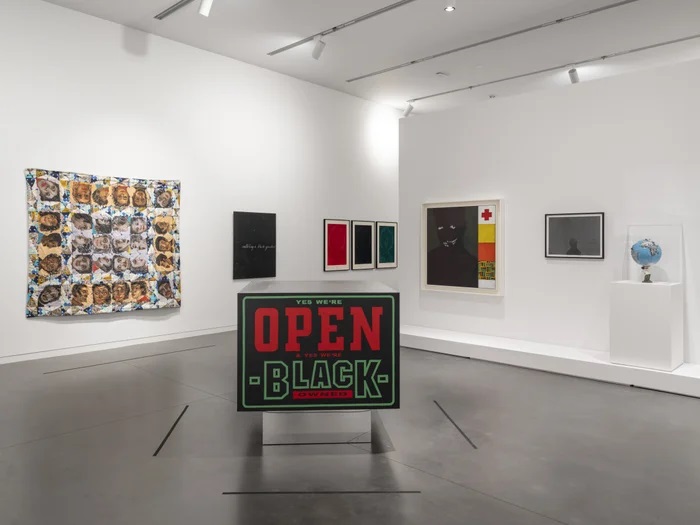
This pioneering museum opened in 1968 in a loft on 125th Street, dedicated to supporting artists of African descent and work inspired by Black culture. Its influential Artist-in-Residence program has launched the careers of artists like Njideka Akunyili Crosby and Jordan Casteel. After years of anticipation, the museum officially reopened its doors on November 15, marking a new chapter in contemporary Black art.
Which institution is this?
A) Whitney Museum of American Art
B) The Museum of Modern Art
C) The Studio Museum in Harlem
D) The Metropolitan Museum of Art
Can you identify the space?
|
 |
|
|
🎨 Event Corner: What’s Next at Miami MoCAAD
|
|
|
|
|
Our
Community Screenings are in full swing! We’ve confirmed new screening and workshop schedules (Click on the links to register):
|
|
|
Miami MoCAAD’s First Ten Years Celebration!
|
 |
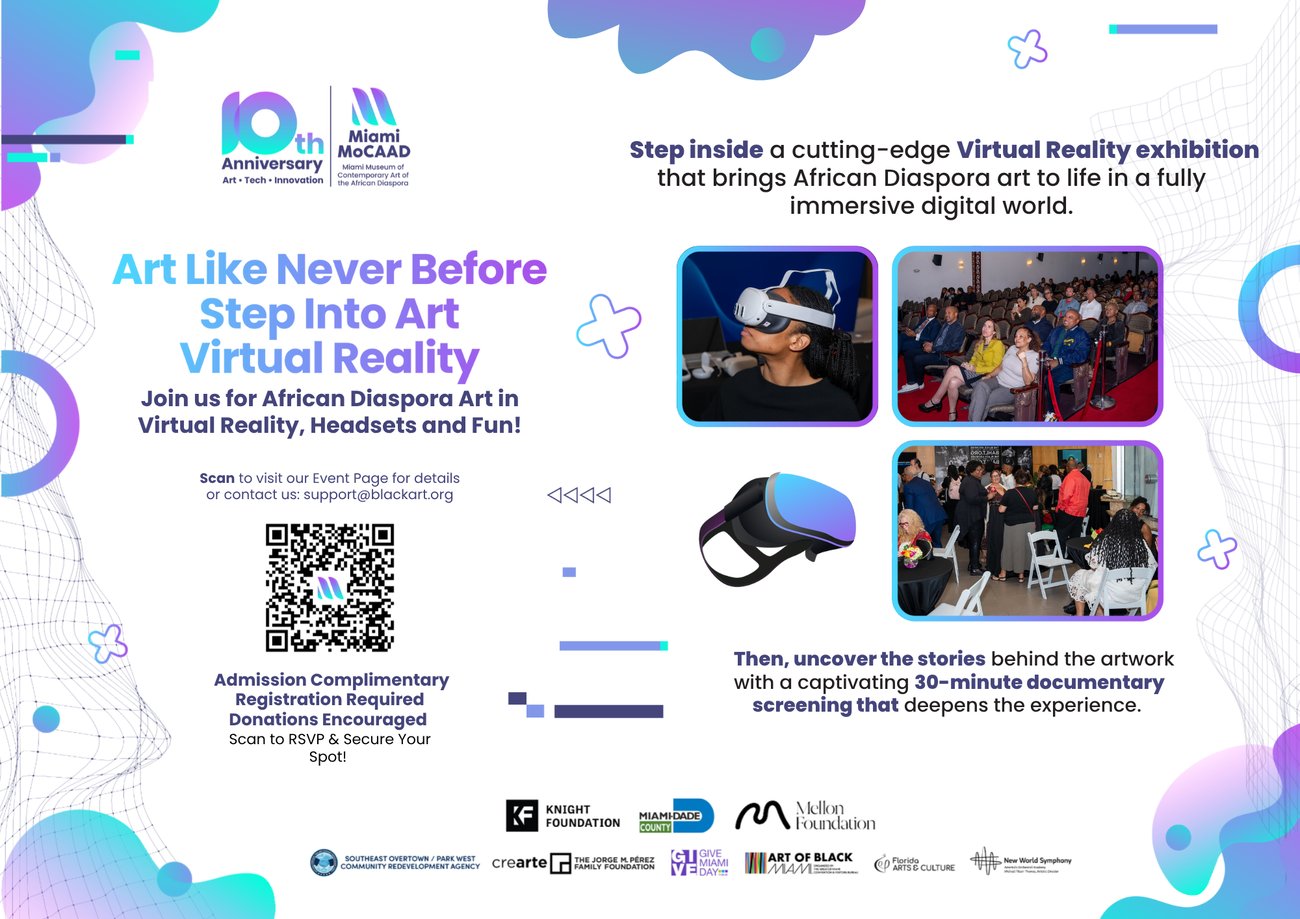
Miami MoCAAD’s 10th Anniversary Celebration at Soul Basel was a powerful reminder of how deeply our community connects with the mission of amplifying African Diasporic art. The event drew a vibrant and engaged crowd, with in-person RSVPs surpassing our goal and an estimated 300 attendees filling the space with energy and enthusiasm. The excitement extended beyond the room as our livestream reached audiences across platforms, culminating in over 400 virtual viewers joining the celebration.
In the weeks leading up to Soul Basel, our digital outreach—spanning social media, direct engagement, and email—helped expand MoCAAD’s visibility. A focused Instagram DM campaign and a strong email push welcomed 1,183 new subscribers, reflecting growing public interest in our work. Event pages also saw thousands of visits, signaling wide community curiosity and anticipation.
Overall, Soul Basel 2025 was more than an anniversary—it was a milestone of growth. The celebration strengthened our community, broadened our reach, and set a dynamic foundation for Miami MoCAAD’s next decade of storytelling, innovation, and cultural impact.
|
|
|
Brain Teaser Answer |
If you selected C) The Studio Museum in Harlem, you are correct!
|
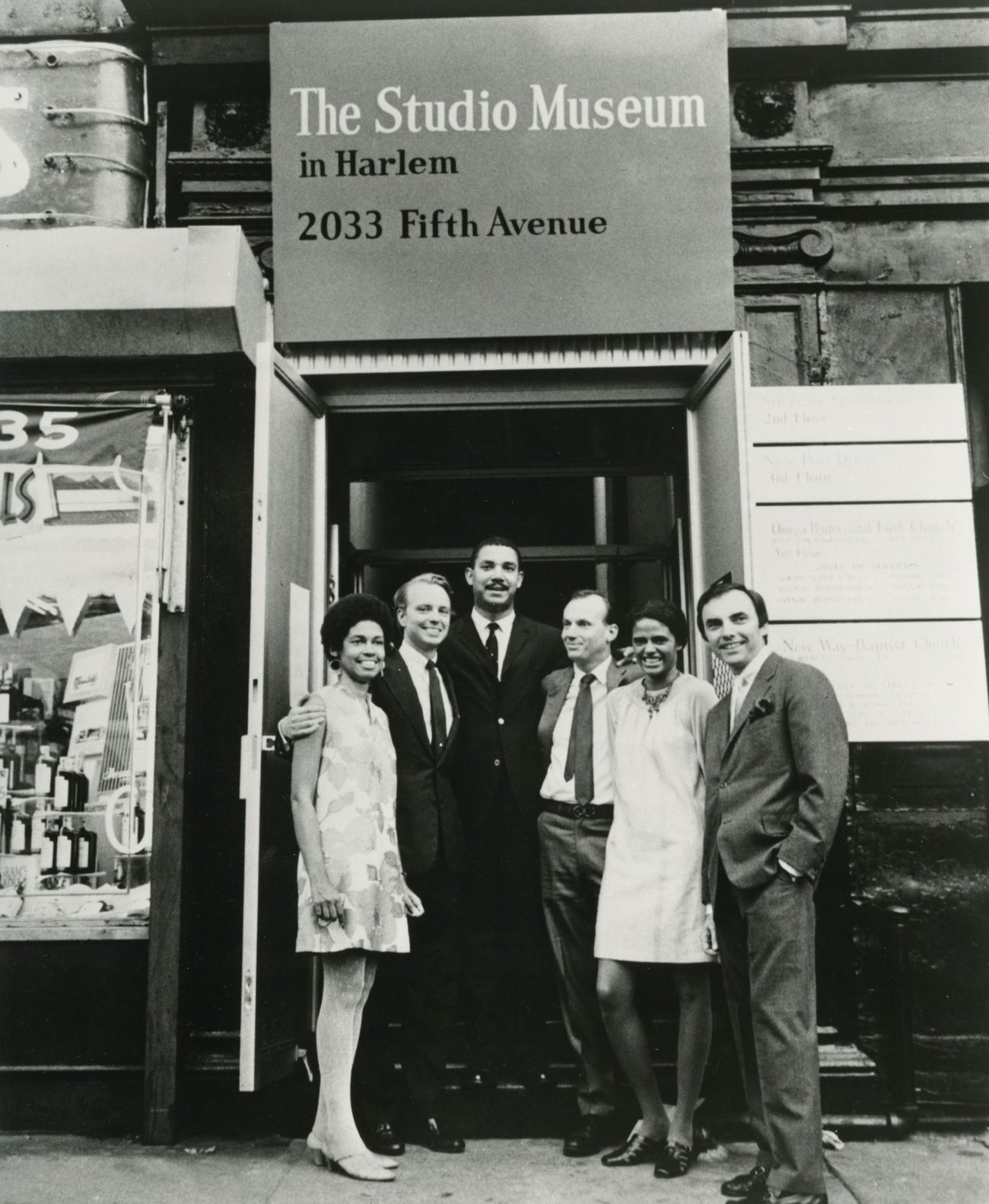 |
Courtesy of the Studio Museum in Harlem
|
Founded in 1968, the Studio Museum in Harlem is a groundbreaking institution dedicated to artists of African descent and art inspired by Black culture. Known globally for its influential Artist-in-Residence program, the museum has launched the careers of major contemporary.
|
Thanks for looking back with us.
Stay tuned for more!
Onward!
The Miami MoCAAD Team
|
|
|
|
|
|
|
|
|